When people think of escort paris, they often imagine a transaction built on physical attraction alone. But those who’ve spent time in Paris - not just as tourists, but as observers of its quiet rhythms - know there’s more beneath the surface. The women and men who offer companionship in this city aren’t just fulfilling fantasies. They’re navigating complex social spaces, offering emotional presence, cultural insight, and sometimes, a rare kind of quiet connection in a place that can feel overwhelmingly anonymous.
Many visitors arrive with a narrow expectation, but end up learning something unexpected. One American businessman, who came to Paris for a conference, later told a friend he didn’t hire an escort for sex. He hired her because he was lonely, didn’t speak French well, and wanted someone who could take him to a real bistro, explain the wine list, and listen while he talked about his divorce. That experience led him to dating paris - not as a replacement, but as a doorway into understanding how relationships form in a foreign culture.
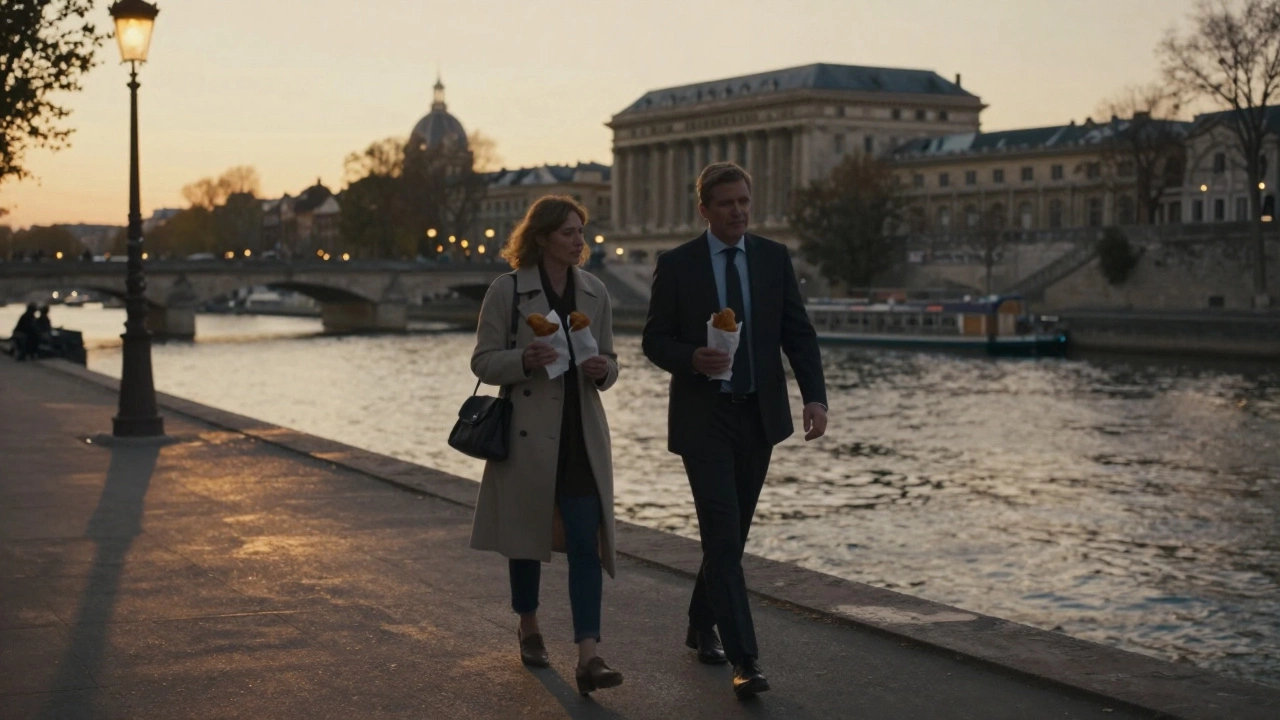
It’s easy to reduce escort firl paris to a service industry metric: hourly rates, locations, photos. But the reality is messier, deeper. These individuals often have backgrounds in art, languages, hospitality, or even academia. Some are students juggling tuition. Others are former performers or writers seeking creative freedom outside traditional employment. The work isn’t always about what happens in private rooms. Sometimes, it’s about walking along the Seine at sunset, sharing a croissant, or discussing the latest exhibition at the Musée d’Orsay.
The stigma around this work is real - and it’s often louder than the voices of those doing it. In Paris, where romance is sold as a product and intimacy as a commodity, the line between fantasy and reality blurs. But those who’ve been on both sides of the equation say the most meaningful encounters happen when both people show up as humans, not roles. A woman who worked as an escort for three years in Montmartre once said, "I wasn’t hired to be a fantasy. I was hired because he was tired of pretending he was happy. I just listened."
There’s a growing group of former escorts in Paris who now run small collectives - safe spaces where companions share resources, legal advice, and mental health support. These aren’t brothels or clubs. They’re apartments with coffee tables, books, and quiet corners where people talk about their days. One such space, tucked behind a bookshop in the 14th arrondissement, hosts weekly gatherings. No fees. No rules. Just conversation.
The rise of digital platforms has changed how people find companionship in Paris. Apps and websites now make it easier to connect, but they’ve also made it harder to distinguish between genuine connection and algorithm-driven matching. Many who use these services report feeling more isolated than before. The old way - word of mouth, trusted referrals, meeting through mutual friends - still exists, quietly. It’s slower, but it’s safer. And it often leads to longer, more meaningful relationships.
Esxort paris isn’t a monolith. It’s a collection of stories. Some involve power dynamics, exploitation, and risk. Others involve mutual respect, curiosity, and even friendship. The women and men in this space aren’t invisible. They’re part of Paris’s fabric - the ones who show up when others can’t, who offer presence when loneliness strikes, who turn a paid hour into a moment of real human contact.
Paris doesn’t need more myths about glamorous courtesans or dangerous strangers. It needs more honesty. The truth is, people travel here for many reasons - to escape, to explore, to feel seen. And sometimes, the most honest way to do that is to pay for someone’s time, attention, and truth. That’s not transactional. That’s human.
There’s no checklist for what makes a good companion. No standard script. No universal profile. What works for one person might feel hollow to another. But the ones who return - who come back year after year - do so because they found something they couldn’t get elsewhere: a space where they didn’t have to perform, where they could be quiet, confused, or broken without judgment.
Paris has always been a city of contradictions. It’s where love is written in poetry and sold in hotels. Where history whispers from every cobblestone, and modern loneliness echoes in empty apartments. The people who offer companionship here aren’t outliers. They’re mirrors. They reflect what we’re too afraid to say out loud - that we’re lonely, that we crave connection, that we sometimes need to pay to feel real.