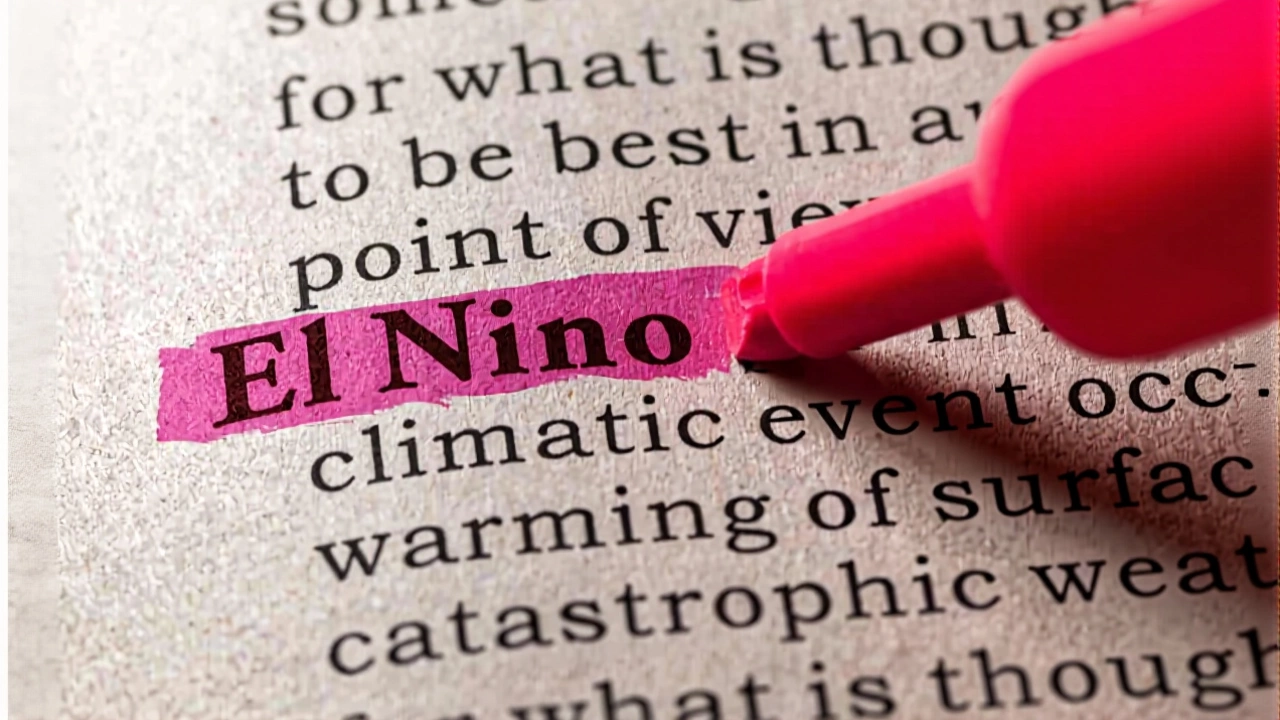
It’s not just the morning brew that’s heating up—it’s the price tag. On a volatile Thursday, coffee futures surged as traders scrambled to cover short positions, driven by fresh anxieties over an emerging El Niño weather pattern. The move sent July arabica contracts (KCN26) jumping 5.10 U.S. cents per pound—a 1.90% gain—while July ICE robusta futures (RMN26) climbed $71 per metric ton, marking a 2.13% increase.
The rally wasn't just about weather; it was a classic case of market psychology meeting supply chain anxiety. Traders who had bet on falling prices were forced to buy back their positions, fueling a rapid upward spiral. But here’s the thing: this isn’t happening in a vacuum. It’s layered on top of logistical nightmares and shifting climate baselines that are making every cup more precarious than before.
The Weather Trigger: Why Brazil Matters
The core fear stems from Brazil, which produces roughly one-third of the world’s coffee. An unnamed source identified only as “Coffee trade Commercial” warned that El Niño could delay critical rains in September and October. These months are when coffee trees typically flower. If the rain doesn’t come, the flowers don’t set fruit, and the 2026/27 crop takes a hit.
“A delay in rains during September and October... could hurt Brazil’s 2026/27 coffee crop,” the source noted. While they didn’t quantify the potential yield loss, the implication is clear: less supply means higher prices. For context, arabica prices had actually ratcheted down over the past month, hitting a 1.5-year low earlier that same week. The sudden reversal highlights how quickly sentiment can shift when weather forecasts change.
Logistical Headwinds: The Strait of Hormuz Factor
But wait—there’s another layer to this story. Barchart.com pointed out that the ongoing closure of the Strait of Hormuz has disrupted global coffee supplies. This narrow waterway is a chokepoint for energy and commodities alike. Its disruption adds a bullish tailwind to prices, independent of weather concerns.
Think of it like a traffic jam on the only highway out of town. Even if the factories are running smoothly, if the trucks can’t get through, shelves stay empty. In this case, shipping delays mean fewer beans reaching ports, tightening immediate availability and supporting higher futures prices.
Expert Skepticism vs. Market Panic
Not everyone is buying into the El Niño panic, however. Jim Roemer, meteorologist and commodity analyst at Best Weather, Inc., offered a cooler perspective. “El Niño has not officially formed yet and will not be a factor for months,” Roemer stated. He emphasized that we are currently in an ENSO-neutral phase with generally good global weather.
Roemer argued it’s “way too early to talk about El Niño” impacting crops this year. He even suggested current trends might ease wet-weather issues in Colombia, the world’s second-largest producer. This disconnect between meteorological reality and market reaction is common in commodities trading. Traders price in *fear*, not just fact.
Long-Term Risks: Climate Change and 2026 Outlook
Looking further ahead, the stakes are rising due to broader climate shifts. StoneX, a financial services firm, highlighted that baseline warming from climate change is altering hazard profiles in coffee-growing regions. Their analysis suggests a shift toward “warmer and drier extremes.”
As La Niña fades and a potential El Niño looms for 2026, these baseline changes amplify the impact of any weather event. StoneX’s insights suggest that what used to be manageable weather variability is now becoming a significant risk factor for global supply chains. VendingMarketWatch.com echoed this, warning that dry weather exacerbated by El Niño could endanger production worldwide, pushing prices even higher.

What’s Next for Coffee Prices?
For now, the market remains jittery. While some analysts see the current rally as overblown given the neutral climate status, others point to the structural tightness in supply. With the Strait of Hormuz closed and Brazilian harvests looming, traders have little room for error.
Keep an eye on weekly weather reports from Brazil and any updates on shipping lanes. If rains arrive on schedule in September, prices may cool. If they don’t, or if geopolitical tensions worsen, your morning latte might just keep getting more expensive.
Frequently Asked Questions
Why are coffee futures rising despite neutral weather conditions?
Markets often react to future expectations rather than current realities. Traders are covering short positions based on fears that an upcoming El Niño could disrupt Brazil's critical flowering season in September and October. Additionally, logistical disruptions like the Strait of Hormuz closure add supply-side pressure, driving prices up regardless of immediate weather data.
How does the Strait of Hormuz affect coffee prices?
The Strait of Hormuz is a key maritime chokepoint for global trade. Its ongoing closure disrupts shipping routes, delaying the transport of coffee beans and other commodities. This logistical bottleneck reduces immediate supply availability, creating a "bullish" environment where scarcity drives prices higher, independent of crop yields.
Is El Niño officially active right now?
No, according to meteorologist Jim Roemer of Best Weather, Inc., El Niño has not officially formed yet. We are currently in an ENSO-neutral phase. However, markets are pricing in the *risk* of its formation later in the year, which is why traders are acting preemptively despite current stable weather conditions.
Which countries are most at risk from El Niño impacts on coffee?
Brazil is the primary concern because delayed rains during its September-October flowering period could severely impact the 2026/27 crop. Colombia, the world's second-largest producer, is also monitored closely, though some experts suggest current neutral phases may actually alleviate recent wet-weather issues there.
What is the long-term outlook for coffee supply?
StoneX warns that climate change is shifting hazard profiles toward warmer and drier extremes in coffee-growing regions. As La Niña fades and potential El Niño events emerge in 2026, these baseline changes increase the volatility and risk to global coffee production, likely keeping prices elevated and unpredictable.